Machining
Fabrication and machining support for frames, tooling and project parts.
 NOVEL WELDERGet a Quote
Resistance Welding Equipment Factory
Review the manufacturing steps behind our resistance welding machines and custom automation—from project definition and machining to assembly, functional checks and handover coordination.
Fabrication and machining support for frames, tooling and project parts.
Mechanical, electrical and pneumatic systems assembled around the agreed scope.
Functional checks and process review before equipment handover.
Technical coordination for documentation, handover and support requirements.
Project path
Each stage should stay connected to the workpiece and the scope agreed during quotation.
Start with the workpiece, material, joint geometry, weld count, target output, utilities and destination requirements.
Review the welding process, electrode access, force, controls, tooling, cooling and handling scope.
Prepare project parts, then assemble mechanical, electrical and pneumatic systems around the agreed configuration.
Review equipment functions and the agreed process requirements before handover.
Confirm documentation, handover and the technical-support scope recorded during quotation.
Manufacturing evidence
A resistance welding system brings structure, electrode access, tooling, controls, cooling, air supply and the intended workpiece into one reviewable build.
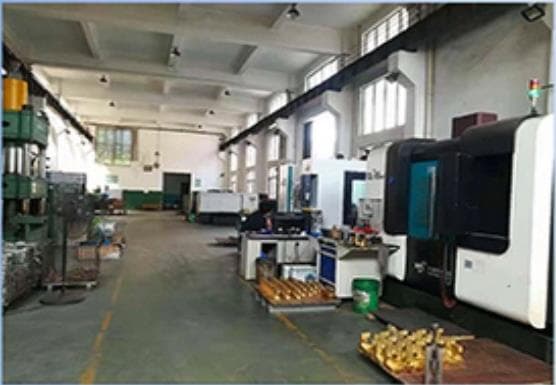
Project parts, frames and tooling components are prepared around the agreed equipment scope.
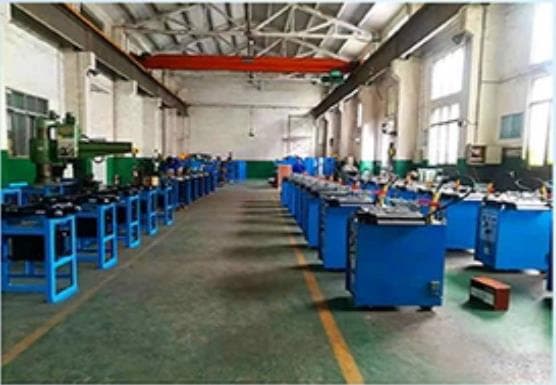
Mechanical, electrical and pneumatic elements are brought together as one equipment system.
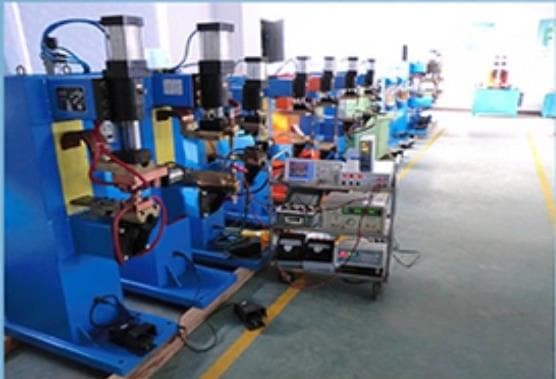
Equipment functions and the agreed process scope are reviewed before handover.
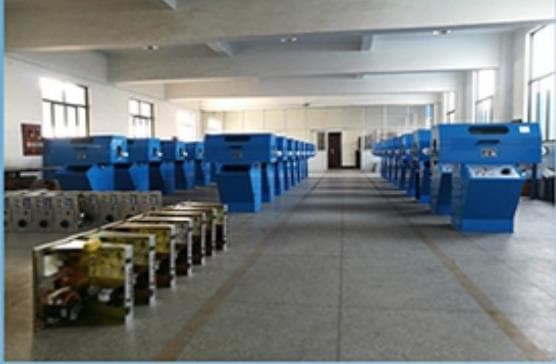
Documentation, handover and technical-support requirements are coordinated against the quotation scope.
What the factory review should confirm
Clear project boundaries make manufacturing evidence more useful and reduce assumptions during supplier review.
Machine frame, welding head, electrode travel and workpiece access.
Destination power, compressed air and cooling requirements.
Electrodes and fixtures reviewed against the actual workpiece.
Interface, monitoring and handling functions included in the agreed scope.
Functional checks, representative workpiece information and project acceptance criteria.
Documentation, installation, training and support requirements recorded during quotation.

Technical project review
A useful review connects the actual workpiece to an agreed equipment and testing scope. The following information gives the technical team a clearer starting point.
Factory review FAQ
Available factory evidence covers machining, equipment assembly, functional testing and project-support activities. The exact project scope is confirmed during quotation.
Provide a drawing or photo, material, thickness or diameter, joint position, weld count, target output, available power, compressed air, cooling requirements and destination country.
Testing should be based on the agreed equipment configuration, representative workpiece information and project acceptance criteria. The test scope is recorded before handover.
Application-specific electrodes, fixtures, controls and handling can be reviewed as part of a custom project after the workpiece and production requirement are understood.
Documentation, handover, installation, training, spare-parts and technical-support requirements vary by project and market and should be documented during quotation.
Prepare an application review
Share the drawing or photo, material, thickness or diameter, joint detail, target output and destination utilities.