Language
News Center
Wuxi Xinxing Welding Equipment Factory mainly produces: spot welding machines, butt welding machines, flash butt welding machines, medium frequency spot welding machines, energy storage spot welding machines, nut spot welding machines, polymer diffusion welding machines and other resistance welding equipment! QQ online consultationSitemapContact us

Xinxing. Intelligent resistance welding equipment and solution service provider 33 years of deep experience in the industry help companies solve difficult welding problems and improve welding efficiency!

 National service hotline:400-001-050213395100070
News Center
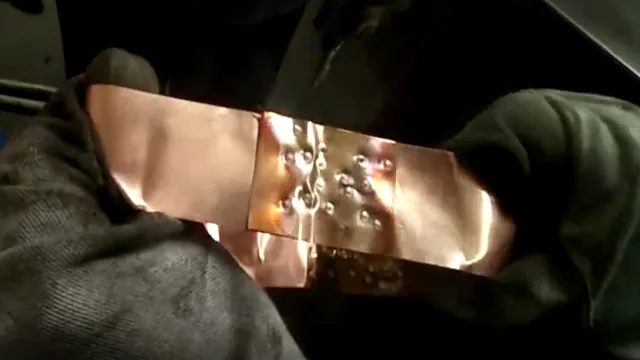
Butt welding of copper and copper alloys
The butt welding of copper and copper alloys is better than that of aluminum alloys. The most commonly used ones are spot welding and butt welding. Butt welding is generally done by resistance AC butt welding machine. For spot welding, spot welding of thin copper parts is easy, but spot welding of thick parts is difficult.
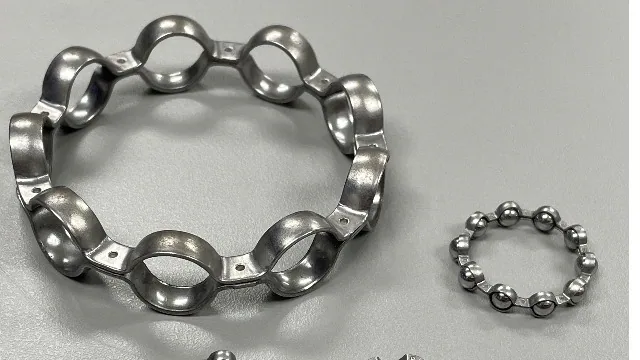
Butt welding of nickel-based alloys
Nickel-based alloys are high-temperature alloys, also known as superalloys. Its main elements are copper, chromium, and molybdenum. They have high strength, corrosion resistance, and oxidation resistance at high temperatures, and have good weldability. They are generally used as coating materials.
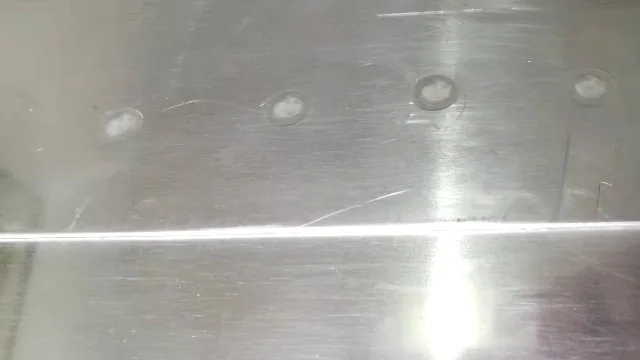
Butt welding of aluminum alloy
Common butt welding methods for aluminum alloys include spot welding and butt welding. The 3457 series butt welding is easier and can be done with a resistance AC butt welding machine. The added elements in the 126 series are not resistance weldable. For spot welding in touch welding, no matter which series it is, it is more difficult.
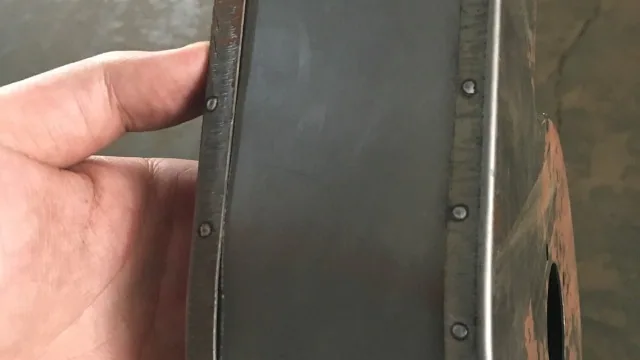
Butt welding of mild steel
Butt welding of low carbon steel includes spot welding, projection welding, seam welding and butt welding. Most of them are spot welding, so let’s talk about spot welding. Low carbon steel has low carbon content. It has good weldability and a wide range of welding parameters. Plate thicknesses of 0.1-4mm are easy to weld.
Butt welding of medium carbon steel
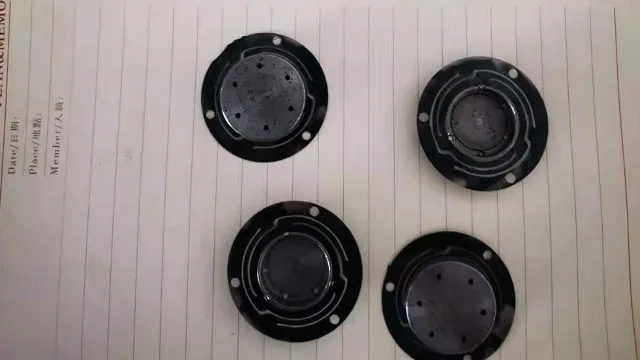
Butt welding of medium carbon steel includes spot welding, projection welding, seam welding and butt welding. The first three are vertical welding, and butt welding is horizontal butt welding. Commonly used in production are spot welding and butt welding, so let’s talk about spot welding first.
The principle of butt welding
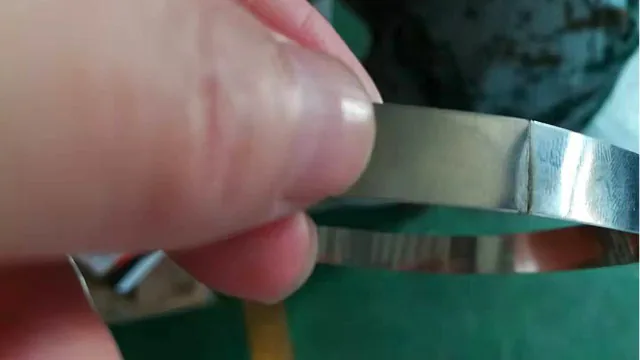
Butt welding is resistance welding, also called contact welding. It is a metal connection method that presses the workpiece between the electrodes of the welding machine and energizes the workpiece itself to generate resistance heat. The resistance heat accumulates to the temperature of plastic deformation, and then is vertically pressurized or transversely forged. A metal connection method. It includes: spot welding, butt welding, projection welding, seam welding (roll welding), etc.
Butt welding of iron wire
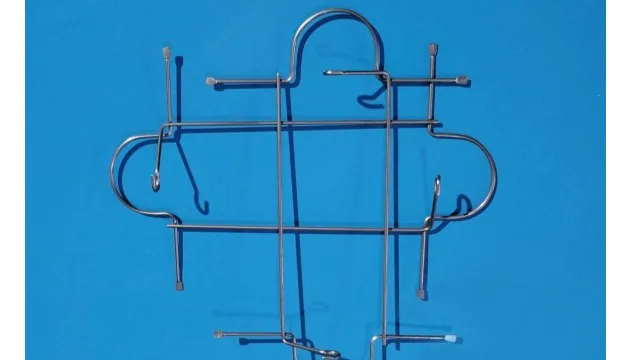
Superimposed vertical butt welding of iron wires, mainly various steam racks, hanging racks, filters, handicrafts, dish racks, mesh, etc. Horizontal butt welding is used to extend iron wires and is widely used in wire and cable, wire drawing, construction and other industries.
Butt welding of copper alloy
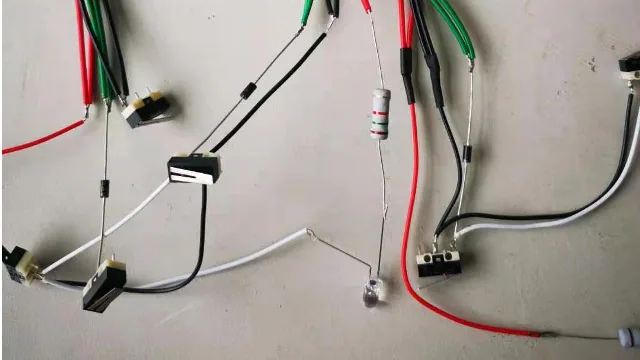
Most of the time, the butt welding of copper alloy is mainly spot welding and butt welding. There are many spot welding machines that can be used for thin copper sheets, small copper wires, and copper strips, including foot-operated spot welding machines, pneumatic spot welding machines, medium-frequency spot welding machines, and special precision spot welding machines.
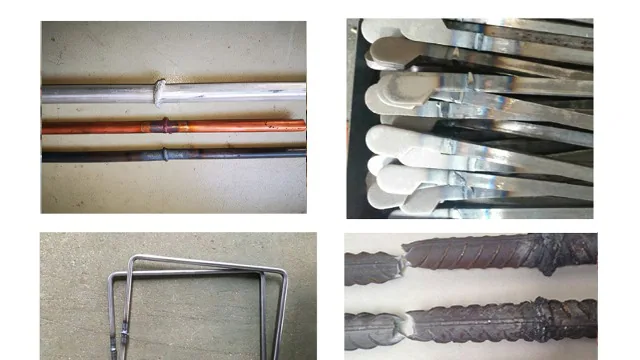
Butt welding of textile machinery metal parts
Most of the metal accessories to be welded by textile machinery are made of low carbon steel or medium carbon steel. After all, they are mechanical products, the output is not very large, and the price of low carbon steel is low. In order to save costs, semi-automatic butt welding machines and butt welding machines are generally chosen for welding.
News·Information
Contact Xinxing
- After-sales phone number:400-001-0502
- Pre-sales phone number:133-9510-0070
- Email:cnhjsb@163.com
- Address:Next to Huaming Bridge, 161 kilometers away from National Highway 312, Luoshe Town, Huishan District, Wuxi City, Jiangsu Province

Wuxi Xinxing Welding Equipment FactoryAll rights reserved
 Su Public Network Security No. 32020602001105Su ICP No. 11039752
Service hotline 400-001-050213395100070 new manager
Email:cnhjsb@163.com
Factory address: Huishan District, Wuxi City, Jiangsu ProvinceHuamingqiao Industrial Zone, 161 kilometers away from National Highway 312, Luoshe Town, Huishan District, Wuxi City, Jiangsu Province
Follow the public account
Official WeChat

QR code


News Center
Butt welding of copper and copper alloys
The butt welding of copper and copper alloys is better than that of aluminum alloys. The most commonly used ones are spot welding and butt welding. Butt welding is generally done by resistance AC butt welding machine. For spot welding, spot welding of thin copper parts is easy, but spot welding of thick parts is difficult.
Butt welding of nickel-based alloys
Nickel-based alloys are high-temperature alloys, also known as superalloys. Its main elements are copper, chromium, and molybdenum. They have high strength, corrosion resistance, and oxidation resistance at high temperatures, and have good weldability. They are generally used as coating materials.
Butt welding of aluminum alloy
Common butt welding methods for aluminum alloys include spot welding and butt welding. The 3457 series butt welding is easier and can be done with a resistance AC butt welding machine. The added elements in the 126 series are not resistance weldable. For spot welding in touch welding, no matter which series it is, it is more difficult.
Butt welding of mild steel
Butt welding of low carbon steel includes spot welding, projection welding, seam welding and butt welding. Most of them are spot welding, so let’s talk about spot welding. Low carbon steel has low carbon content. It has good weldability and a wide range of welding parameters. Plate thicknesses of 0.1-4mm are easy to weld.
Butt welding of medium carbon steel
Butt welding of medium carbon steel includes spot welding, projection welding, seam welding and butt welding. The first three are vertical welding, and butt welding is horizontal butt welding. Commonly used in production are spot welding and butt welding, so let’s talk about spot welding first.
The principle of butt welding
Butt welding is resistance welding, also called contact welding. It is a metal connection method that presses the workpiece between the electrodes of the welding machine and energizes the workpiece itself to generate resistance heat. The resistance heat accumulates to the temperature of plastic deformation, and then is vertically pressurized or transversely forged. A metal connection method. It includes: spot welding, butt welding, projection welding, seam welding (roll welding), etc.
Butt welding of iron wire
Superimposed vertical butt welding of iron wires, mainly various steam racks, hanging racks, filters, handicrafts, dish racks, mesh, etc. Horizontal butt welding is used to extend iron wires and is widely used in wire and cable, wire drawing, construction and other industries.
Butt welding of copper alloy
Most of the time, the butt welding of copper alloy is mainly spot welding and butt welding. There are many spot welding machines that can be used for thin copper sheets, small copper wires, and copper strips, including foot-operated spot welding machines, pneumatic spot welding machines, medium-frequency spot welding machines, and special precision spot welding machines.
Butt welding of textile machinery metal parts
Most of the metal accessories to be welded by textile machinery are made of low carbon steel or medium carbon steel. After all, they are mechanical products, the output is not very large, and the price of low carbon steel is low. In order to save costs, semi-automatic butt welding machines and butt welding machines are generally chosen for welding.